NEET PG · Pathology
Gallbladder and Pancreatic Disease PYQs
- 10 live questions in Gallbladder and Pancreatic Disease.
- 2 of 10 questions carry a recorded exam year: 2017, 2019.
- Question set last updated .
10 questions with answers
Which type of cholesterol is present in gall stones?
- Amorphous cholesterol dihydrate
- Amorphous cholesterol monohydrate
- Crystalline cholesterol dihydrate
- Crystalline cholesterol monohydrate
Hereditary pancreatitis is characterised by all of the following except
- Autosomal recessive inheritance
- Increased risk of pancreatic cancer
- 80% penetrance
- Increased risk of chronic pancreatitis
A 68-year-old man with painless jaundice is found to have a solid mass in the head of the pancreas and undergoes pancreaticoduodenectomy. Panel D of the figure shows a haematoxylin and eosin section of the resected tumour. Which is the most likely diagnosis?
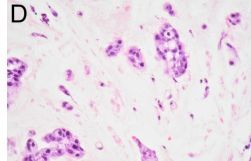
Image: PMC8871290, CC BY - Conventional pancreatic ductal adenocarcinoma
- Acinar cell carcinoma
- Colloid (mucinous non-cystic) carcinoma
- Solid pseudopapillary neoplasm
Gall stones in sickle cell anemia are made up of?
- Cholesterol
- Calcium carbonate
- Bilirubin
The complications of gallstones include all of the following except:
- Adenocarcinoma of ampulla of Vater
- Acute intrahepatic cholangitis
- Acute pancreatitis
- Gangrenous cholecystitis
Most frequently altered oncogene in pancreatic cancer is:
- K-RAS
- CDKN2A
- SMAD4
- TP53
All of the following are true regarding Phrygian cap of gallbladder, except?
- Congenital anomaly of the gallbladder
- Can lead to cholecystitis
- Simulate a mass on radiological imaging
- Results from infolding of the gallbladder fundus
Maximum progression to pancreatic carcinoma occurs in?
- Intraductal papillary mucinous neoplasms
- Pseudopancreatic cyst
- Serous cystic neoplasms
- Mucinous cystic neoplasms
Gall stones in hemolytic anaemia are -
- Pigment
- Mixed
- Cholesterol
- Any type
A 66-year-old man presents with painless obstructive jaundice and weight loss. A haematoxylin and eosin section of the resected pancreatic head tumour is shown, containing irregularly shaped, haphazardly arranged malignant tubular glands separated by an abundant poorly cellular stroma. What is the most likely diagnosis?
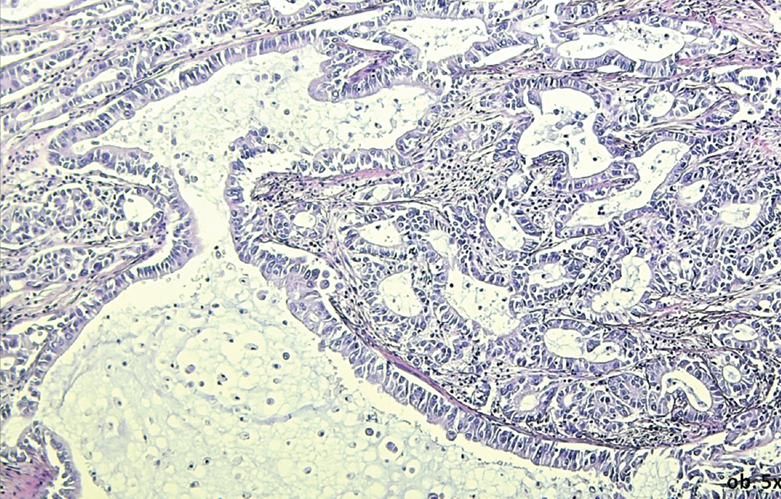
Image: PMC8289679, CC BY - Chronic pancreatitis
- Pancreatic ductal adenocarcinoma
- Serous cystadenoma of the pancreas
- Pancreatic neuroendocrine tumour
Answer key
About these questions
Previous year questions on Gallbladder and Pancreatic Disease for NEET PG (National Eligibility cum Entrance Test - Postgraduate), from the Pathology section of the exam.
Most questions here come from previous-year papers of Indian postgraduate medical entrance and licensing exams; where a paper and year are recorded the question carries them. The image-based questions are original vignettes written around an openly licensed figure, and were never asked in any exam.
Pathology is worth about 17 of the 200 questions on the exam. See every subject’s weightage.